When Change Feels Overwhelming: Understanding the Stress of Transformation

Change is a natural part of life. We move, grow, adapt, and evolve. But even when change is positive—like starting a new job, moving to a better place, or beginning a healthier lifestyle—it can still feel incredibly stressful.
Why is that?
Because change, no matter how good, disrupts our sense of normal. It pushes us out of our comfort zones and into the unknown. And for our minds and bodies, that can feel like a threat.
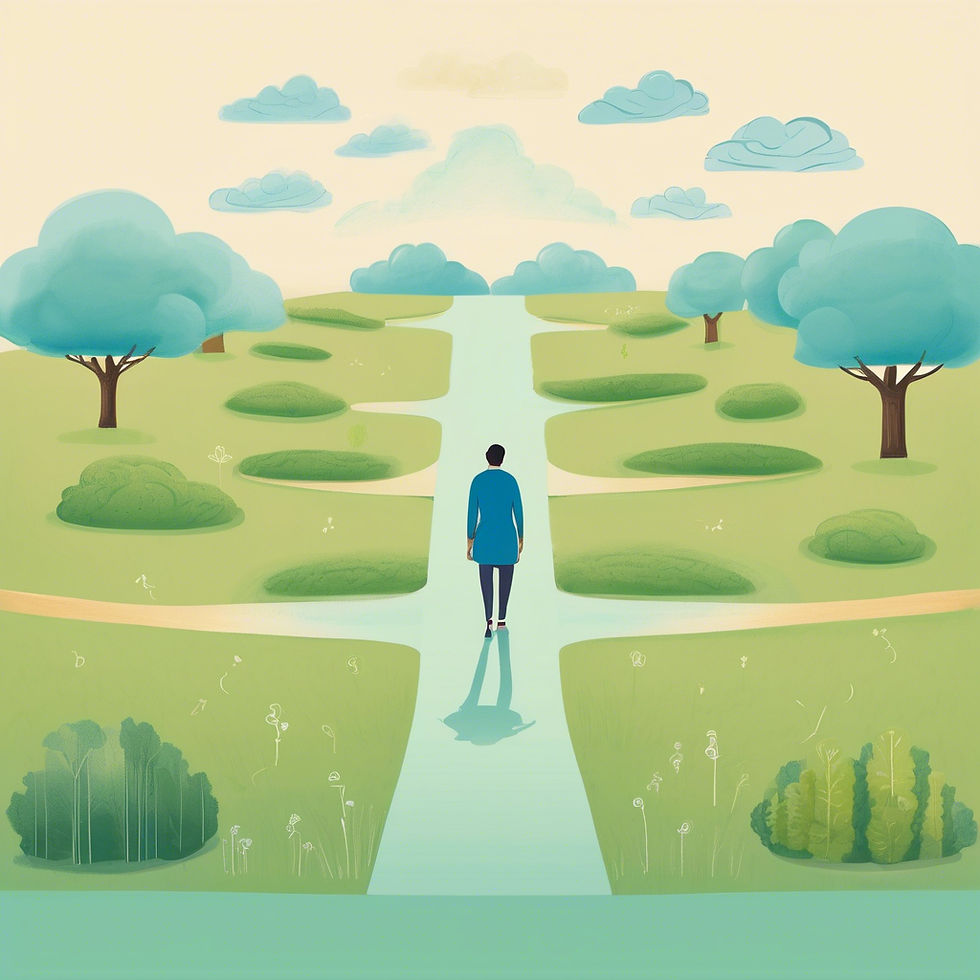
Why Change Feels Stressful
Our brains are wired for predictability and safety. When routines are disrupted, even by something exciting, our nervous system can go into overdrive. You might feel:
Anxious or restless
Tired or overwhelmed
Irritable or emotional
Uncertain or fearful
This is your body’s way of saying, “Something’s different. Pay attention.”
It’s not weakness. It’s biology.
The Emotional Side of Change
Change often brings up grief, even when we’re moving toward something better. We might grieve:
The loss of familiarity
The comfort of routine
The identity we had in a previous role or place
The people or places we’re leaving behind
These feelings are valid. You’re not being “dramatic” or “too sensitive.” You’re human.
Common Life Changes That Trigger Stress
Starting or ending a job
Moving to a new home or city
Beginning or ending a relationship
Becoming a parent or caregiver
Facing health challenges
Shifting routines or habits
Even small changes—like adjusting your daily schedule—can create stress if they pile up.
How to Cope with the Stress of Change
Here are a few ways to navigate change with more ease and self-compassion:
1. Acknowledge Your Feelings
Don’t push them away. Name what you’re feeling. “I’m scared.” “I’m sad.” “I’m excited but overwhelmed.” Naming emotions helps you process them.
2. Take One Step at a Time
You don’t have to figure everything out at once. Focus on the next small step. Then the next. Let progress be gradual.
3. Create New Routines
Routines create a sense of stability. Even small rituals—like morning coffee or a daily walk—can ground you during uncertain times.
4. Reach Out for Support
Talk to someone you trust. Share what you’re going through. You don’t have to carry it alone.
5. Be Kind to Yourself
Change is hard. You’re doing your best. Give yourself grace, rest, and encouragement.
Change Can Be a Beginning, Not Just an Ending
Yes, change is stressful. But it’s also a sign that you’re growing. That you’re moving forward. That you’re brave enough to step into something new.
You don’t have to love the process. You just have to keep going.
And remember: it’s okay to feel overwhelmed. It’s okay to take your time. It’s okay to ask for help.
You’re not alone in this.


Comments